 Skip to content
Most drivers have experienced it. You start the car, a light appears on the dashboard, and everything still seems to drive normally. It’s tempting to ignore it and hope it goes away on its own. In reality, warning lights are your car’s way of telling you something isn’t quite right, and ignoring them can often lead to bigger problems down the line.
At DCM Autocentres, we carry out car diagnostics for drivers across Dorset every day. Many of the faults we see could have been resolved quickly and affordably if they’d been checked earlier. This guide explains some of the most common warning lights, what they usually mean, and why acting early is always the smarter option.
Engine management light

This is one of the most common warning lights and one of the most misunderstood. The engine management light can come on for a wide range of reasons, from a sensor issue to a problem affecting engine performance or emissions.
Your car may still drive normally at first, but continuing to ignore this light can lead to reduced fuel efficiency, loss of power or more serious engine problems if the underlying fault worsens.
Battery warning light

The battery warning light doesn’t always mean the battery itself has failed. In many cases, it indicates a charging issue such as a failing alternator or a loose connection.
This light appears more frequently in colder months when batteries are under extra strain. If left unchecked, the vehicle may eventually lose power completely, often without much warning.
Brake warning light

Brake warning lights should never be ignored. This light may point to low brake fluid, worn components or a fault within the braking system.
Even if braking still feels normal, issues here can develop quickly. Because brakes are a critical safety feature, any warning light related to them should be treated as urgent.
ABS warning light
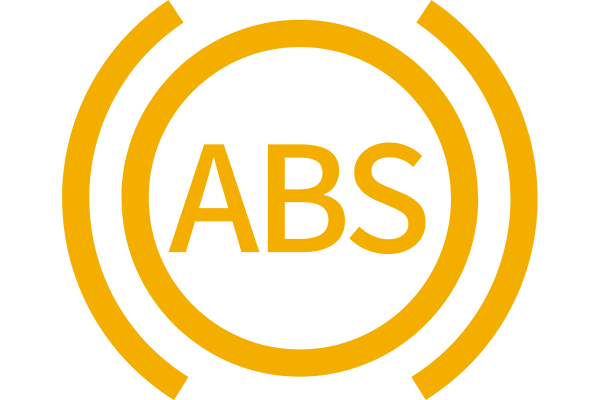
The ABS warning light indicates a problem with the anti-lock braking system. While your standard brakes may still work, the ABS system may not activate when you need it most, such as during hard braking or on slippery roads.
On wet or icy conditions, this can significantly affect control and stopping distances.
Tyre pressure warning light
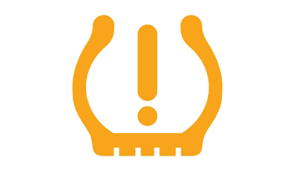
This warning usually means one or more tyres are underinflated. Cold weather, slow punctures and general wear can all trigger it.
Driving on low tyre pressure affects handling, braking and fuel efficiency, and increases tyre wear. Addressing it early helps prevent further damage.
Coolant temperature warning light

This light indicates the engine is overheating or coolant levels are too low. Continuing to drive with this warning active can cause serious engine damage in a short space of time.
If this light comes on, it’s best to stop driving as soon as it’s safe and seek advice.
Why diagnostics matter
Modern vehicles rely heavily on electronic systems. Warning lights tell you something is wrong, but they don’t explain what. Diagnostics allow technicians to identify faults accurately, rather than relying on guesswork.
Early diagnostics often mean quicker fixes, lower costs and less inconvenience for drivers.
Don’t ignore the early signs
Many warning lights start as small issues. Ignoring them can turn minor faults into breakdowns, MOT failures or expensive repairs. Acting early gives you the best chance of keeping your car safe, reliable and road-ready.
If a warning light has appeared and you’re unsure what it means, getting it checked sooner rather than later is always the best approach.

Do you need help from our experts?
Give us a call today to get expert advice and support from our experienced team.
We are highly rated and reviewed


Honest company with the best management, very transparent about prices and their services are always outstanding. I am grateful to finally have a reliable mechanic that I can fully trust. Regardless of their busy schedule, the reception is always welcoming and helpful


Really recommend DCM in Shaftesbury


Richard
