 Skip to content
Electric and hybrid vehicles are becoming more common on Dorset’s roads. From town driving in Blandford to longer rural journeys around Shaftesbury, more drivers are choosing EVs and hybrids for their lower running costs and environmental benefits.
One of the biggest questions we hear at DCM Autocentres is whether electric and hybrid cars still need regular maintenance. The short answer is yes, but it does look a little different to traditional petrol or diesel vehicles. This guide explains what changes, what stays the same, and what EV and hybrid owners should be aware of.
What’s different with electric and hybrid vehicles
The most obvious difference is under the bonnet. Electric vehicles don’t have an engine in the traditional sense, and hybrids rely less heavily on theirs. That removes some familiar maintenance jobs, but not all responsibility.
No oil changes on fully electric cars
Fully electric vehicles don’t require engine oil, oil filters or timing belts. That means fewer routine servicing tasks and lower servicing costs in some areas. Hybrid vehicles still have an engine, so they will continue to need oil changes, though often less frequently than petrol-only cars.
Regenerative braking reduces wear
Electric and hybrid cars use regenerative braking, which slows the car by recovering energy rather than relying solely on the brake pads. This reduces brake wear significantly. While that’s a big advantage, it can also mean brake components sit unused for long periods, which may lead to corrosion if not checked regularly.
High-voltage systems require specialist handling
EVs and hybrids contain high-voltage components that require trained technicians and the correct safety procedures. Diagnostics and repairs need to be handled carefully, which is why choosing a garage familiar with modern vehicles is important.
What stays exactly the same
Despite the differences, many parts of your vehicle still need regular attention, regardless of how it’s powered.
Tyres still matter just as much
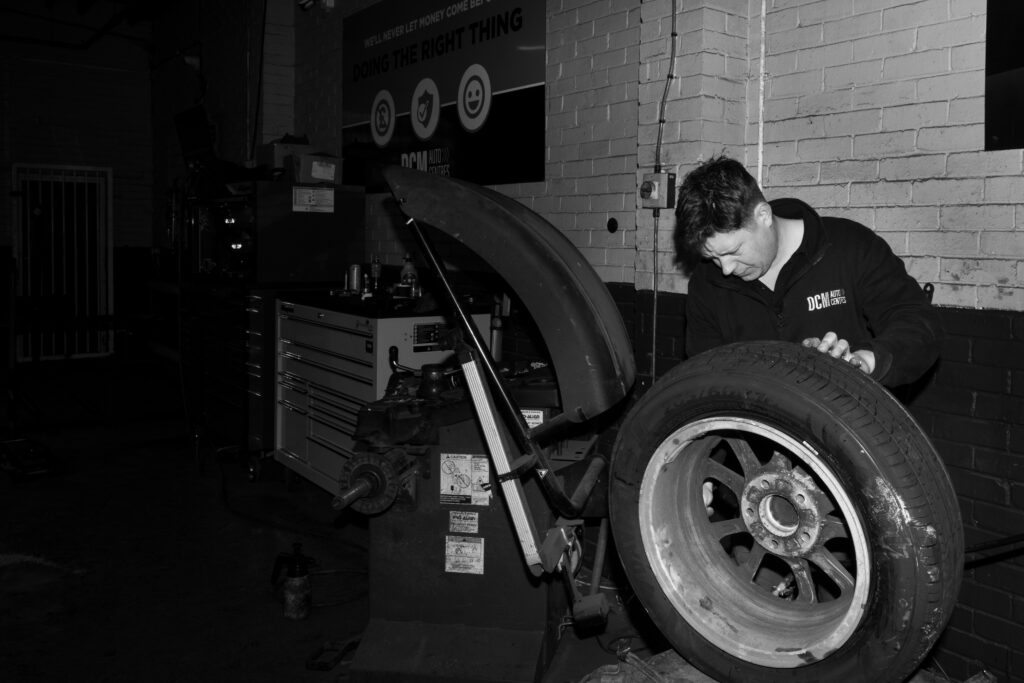
Tyres remain one of the most important safety components on any vehicle. Electric cars are often heavier due to battery weight, which can cause tyres to wear faster. Instant torque also puts extra strain on them, especially during acceleration.
Regular tyre checks, correct pressures and proper alignment are essential. Many EV drivers are surprised by how quickly tyres can wear if they’re not monitored properly.
Suspension and steering components
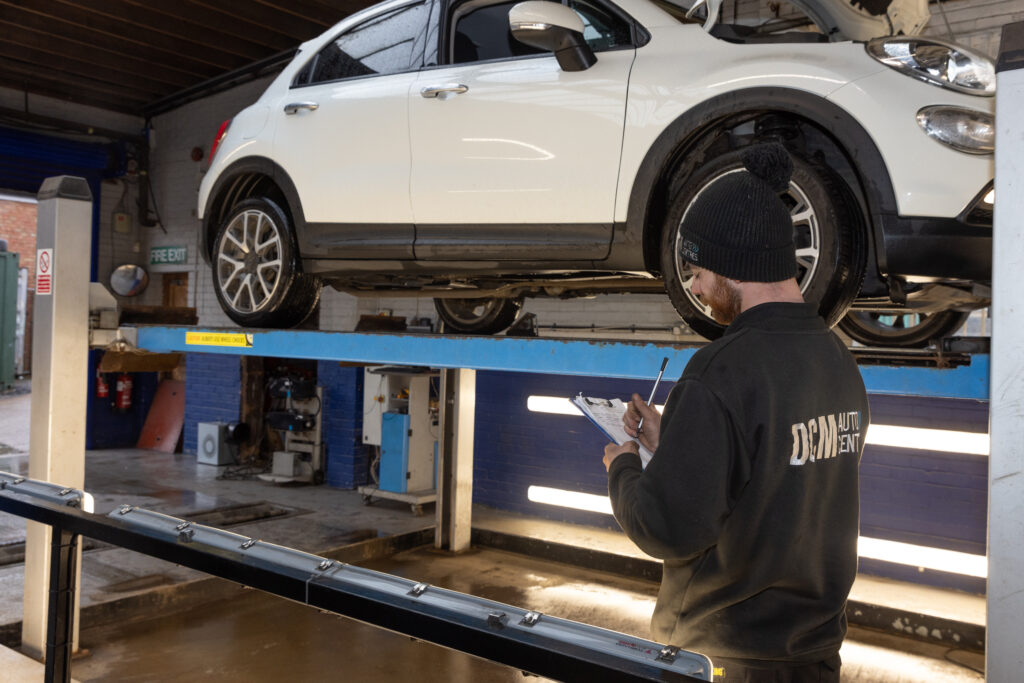
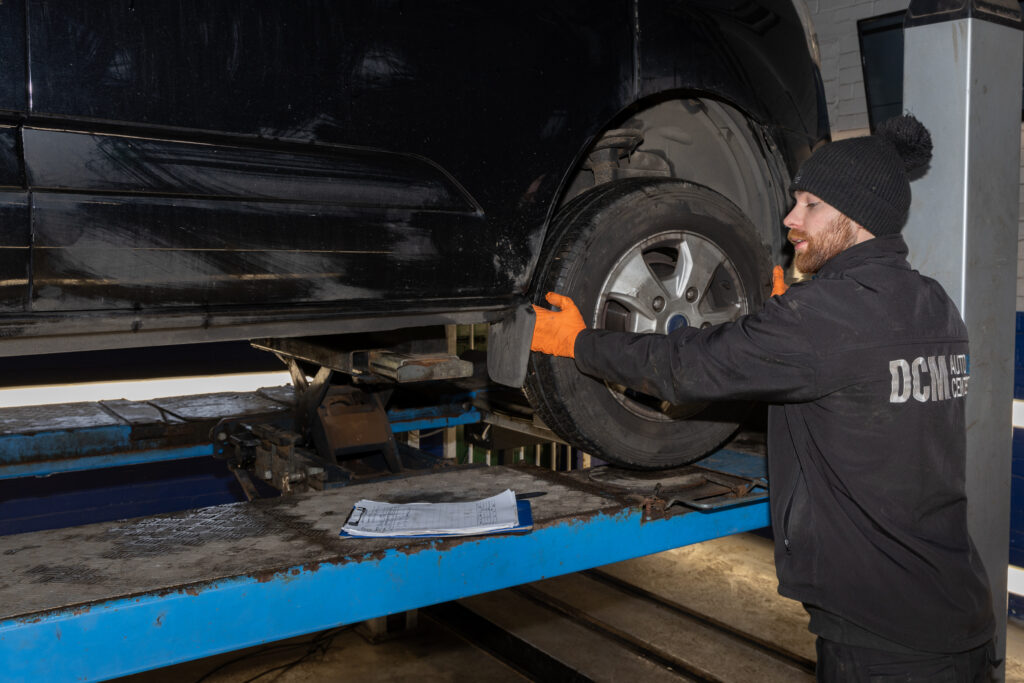
Dorset’s mix of rural roads, potholes and uneven surfaces affects EVs and hybrids just as much as traditional cars. Suspension joints, bushes and steering components still wear over time and need checking during servicing.
Lights, wipers and visibility
These are simple but essential. Faulty lights, worn wipers or poor washer performance are common MOT failure points for all vehicles, including EVs and hybrids.
Cabin filters and air conditioning
Cabin air filters still need replacing to keep the interior air clean, and air conditioning systems still require maintenance to remain effective. This is often overlooked by EV owners.
Servicing electric and hybrid cars
While EVs generally require less maintenance, that doesn’t mean servicing should be ignored. Regular inspections help catch issues early and ensure everything from suspension to software updates is working correctly.
Hybrid vehicles, in particular, benefit from consistent servicing because they combine both electric and combustion systems. Keeping both sides healthy helps improve efficiency and reliability.
At DCM Autocentres, we approach electric and hybrid servicing with the same honest, practical mindset we apply to all vehicles. We focus on what genuinely needs attention and explain everything clearly, without unnecessary work.
MOT testing for electric and hybrid vehicles
Electric and hybrid cars still require an MOT once they reach the appropriate age. The test covers many of the same areas as any other vehicle, including brakes, tyres, lights, suspension, steering and safety systems.
Because EVs can be quieter and smoother to drive, faults aren’t always obvious to the driver. That makes regular checks even more important, especially before an MOT.
Are electric cars cheaper to maintain?
In many cases, yes, but with a few caveats. Electric vehicles often have lower routine servicing costs, but parts such as tyres can wear faster, and repairs can be more specialised if issues arise.
Hybrids sit somewhere in the middle, offering fuel savings but still needing traditional servicing alongside electrical system checks.
The key is proper maintenance. A well-looked-after EV or hybrid will be reliable, efficient and cost-effective over the long term.
Choosing the right garage for EV and hybrid care
As vehicles evolve, so does the equipment and knowledge needed to maintain them. Whether you drive fully electric, hybrid or are considering making the switch, it’s important to use a garage that understands modern vehicles and treats your car with care.
Our teams in Shaftesbury and Blandford work with a wide range of vehicle types and are always happy to advise drivers on the best way to look after their car, whatever powers it.
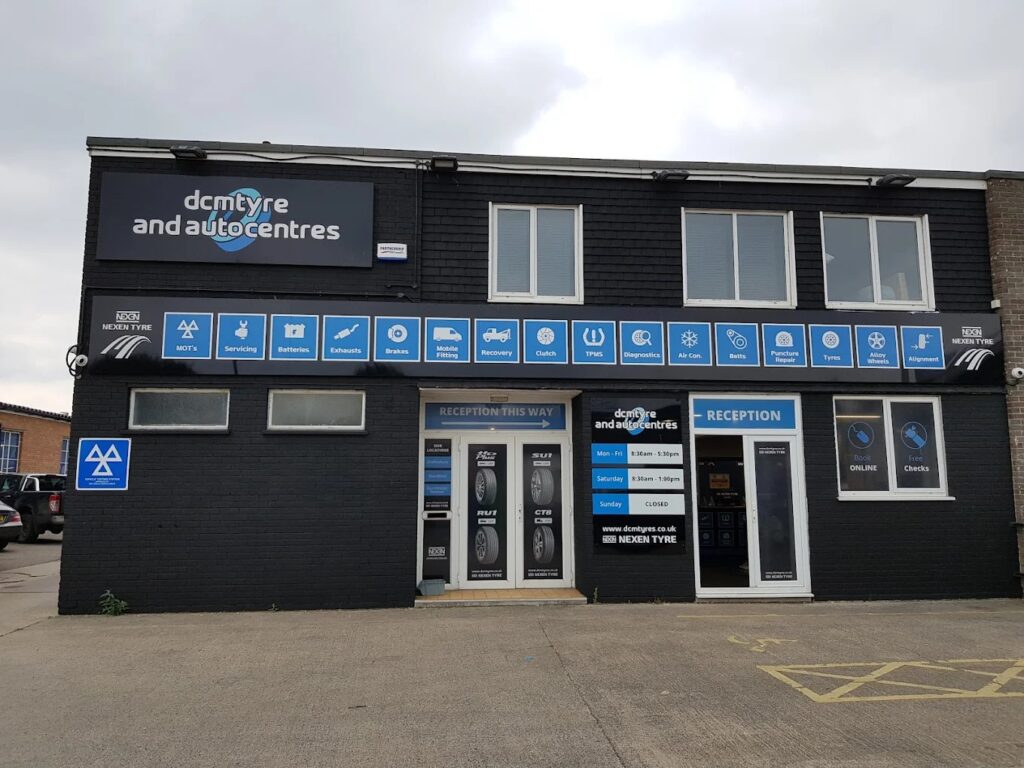
Looking after your electric or hybrid car with confidence
Electric and hybrid vehicles may be different, but they still need regular checks to stay safe, reliable and efficient. From tyres and brakes to diagnostics and MOT testing, proper maintenance makes all the difference.
If you drive an electric or hybrid car and want straightforward advice, inspections or servicing, DCM Autocentres is here to help. Speak to our local teams and keep your vehicle running smoothly on Dorset’s roads.

Do you need help from our experts?
Give us a call today to get expert advice and support from our experienced team.
We are highly rated and reviewed


Honest company with the best management, very transparent about prices and their services are always outstanding. I am grateful to finally have a reliable mechanic that I can fully trust. Regardless of their busy schedule, the reception is always welcoming and helpful


Really recommend DCM in Shaftesbury


Richard
