 Skip to content
Why You Should Check Your Tyres as Summer Turns to Autumn
As the summer heat starts to fade and wetter weather begins to roll in, it is a good time to give your car a quick check over.
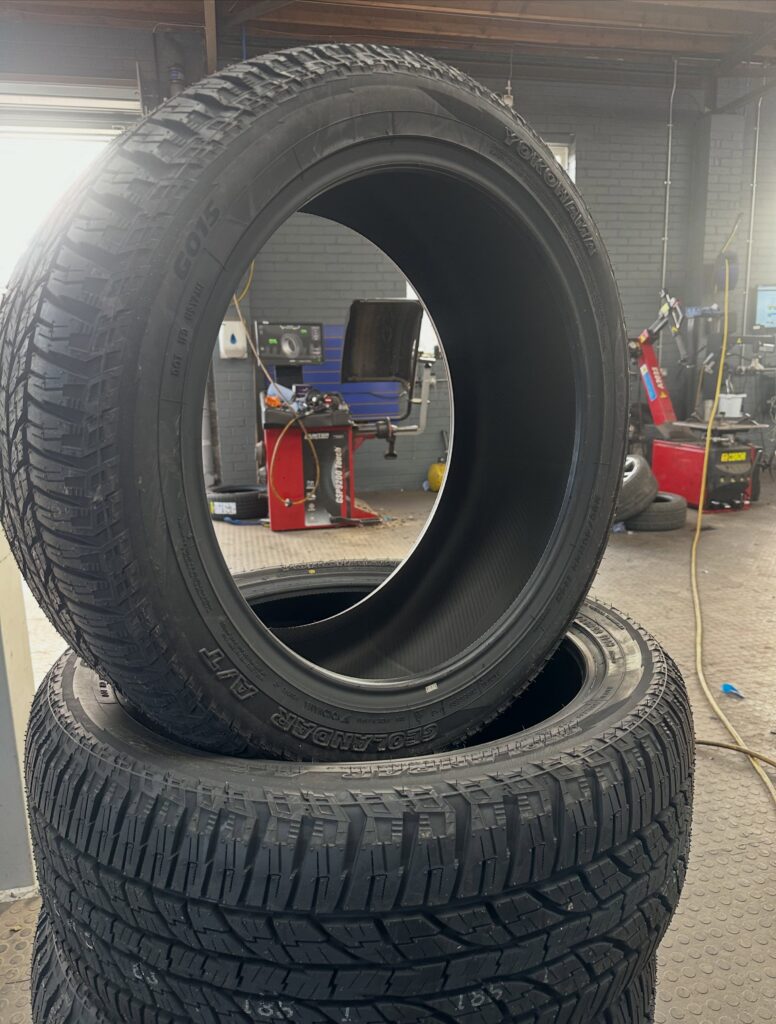
One of the most important areas to look at is your tyres.
After weeks of hot roads, strong sunlight and dry weather, your tyres may have taken more strain than you realise. Then, as temperatures begin to drop and heavy rain becomes more common, those same tyres suddenly need to perform in very different conditions.
At DCM Autocentres, we always recommend checking your tyres as the seasons change. It is a simple job, but it can make a big difference to grip, braking distance, fuel economy and overall safety.
Why tyre checks matter after summer
Hot weather can be tough on tyres.
During the summer months, tyres are exposed to hot tarmac, higher running temperatures and UV rays from the sun. Over time, this can contribute to wear, cracking, brittleness and changes in tyre pressure.
Then, as cooler weather arrives, the air inside your tyres contracts. As a rough guide, tyre pressure can drop by around 1 PSI for every 5.6°C drop in temperature.
That might not sound like much, but if your tyres were already slightly low, the change in temperature can leave them underinflated without you noticing.
When you combine underinflated tyres with wet, slippery roads, your grip and braking performance can be affected quickly.
Wet roads need good tyres
Autumn often brings sudden heavy rain, standing water and greasy road surfaces.
After a dry spell, rain can mix with dust, oil and dirt on the road, making the surface especially slippery. Your tyres are what keep your car connected to the road, so their condition matters even more when the weather turns.
Good tyres help:
- Maintain grip in wet conditions
- Reduce the risk of aquaplaning
- Support safer braking
- Improve steering control
- Keep the vehicle more stable
- Reduce unnecessary strain on the car
If your tyres are underinflated, worn or damaged, the car may not respond as well when you need it to. If you are unsure, our tyre fitting team can check them and give you clear advice.
Check your tyre pressure
Tyre pressure is one of the easiest things to overlook.
As the temperature drops, your tyre pressure can drop too. Underinflated tyres can affect handling, increase tyre wear and reduce fuel efficiency. They can also make the vehicle feel less stable, especially in wet weather.
You can usually find the correct tyre pressures for your car in the handbook, inside the fuel filler cap or on a sticker inside the driver’s door frame.
When checking your tyre pressure, make sure you do it when the tyres are cold where possible. If you have been driving for a while, the tyres heat up and the reading may not be as accurate.
If the pressure is low, top it up to the correct specification for your vehicle.
Inspect your tread depth
Tread depth is especially important once the roads start getting wet.
The grooves in your tyres are designed to move water away from the contact patch, helping the tyre maintain grip with the road. If the tread is too shallow, the tyre cannot clear water as effectively, which increases the risk of aquaplaning.
The UK legal minimum tread depth is 1.6mm across the central three quarters of the tyre, but performance can drop before that point.
For safer wet weather driving, 3mm is often recommended. Once tread wears below that, stopping distances can increase and the tyre may not perform as well in heavy rain.
If your tyres are getting close to the limit, it is better to get them checked before the weather gets worse.
Look for signs of sun damage
Summer heat and UV exposure can sometimes leave visible signs of tyre damage.
When checking your tyres, look closely at the sidewalls and tread area. You are looking for anything that does not look right, such as:
- Cracks in the rubber
- Bulges on the sidewall
- Cuts or splits
- Uneven wear
- Exposed cords
- Objects stuck in the tyre
- Brittle or perished rubber
Bulges, cracks and deep cuts should never be ignored. They can indicate damage to the structure of the tyre and may make it unsafe to continue driving.
Uneven wear can also point to other issues, such as tracking or suspension problems. If your tyres are wearing more on one side, it may be worth booking a wheel alignment check.
Do not forget the spare tyre
If your vehicle has a spare tyre, it is worth checking that too.
A spare tyre is easy to forget until the moment you need it. If it is flat, damaged or perished, it will not be much help in an emergency.
Check the pressure, tread and condition of the spare if your vehicle has one. Some cars now have a tyre repair kit instead, so it is also worth making sure the kit is present and still usable.
How tyre condition affects braking distance
Tyres have a direct impact on how quickly your car can stop.
In dry conditions, worn tyres may still feel manageable, but wet roads can expose problems quickly. Reduced tread depth, low pressure or tyre damage can all increase stopping distances.
That can make a real difference in everyday driving, especially around roundabouts, junctions, country lanes and busy school-run routes across Dorset.
A quick tyre check gives you more confidence before the wetter months arrive.
Bring your car to DCM for a free tyre check
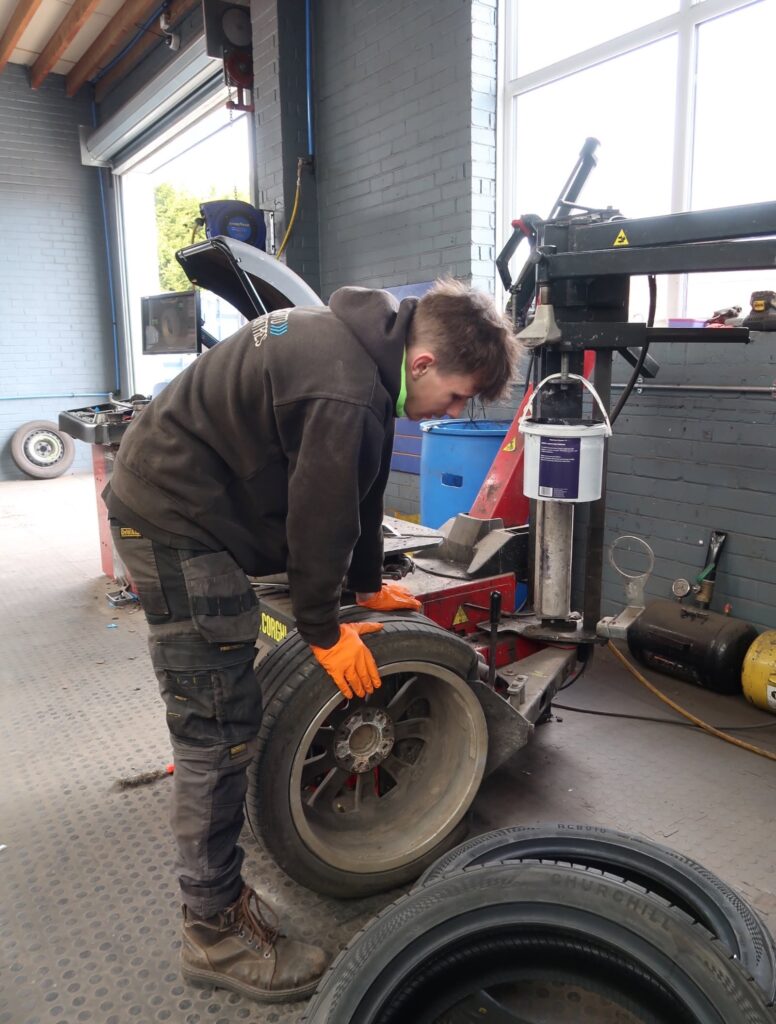
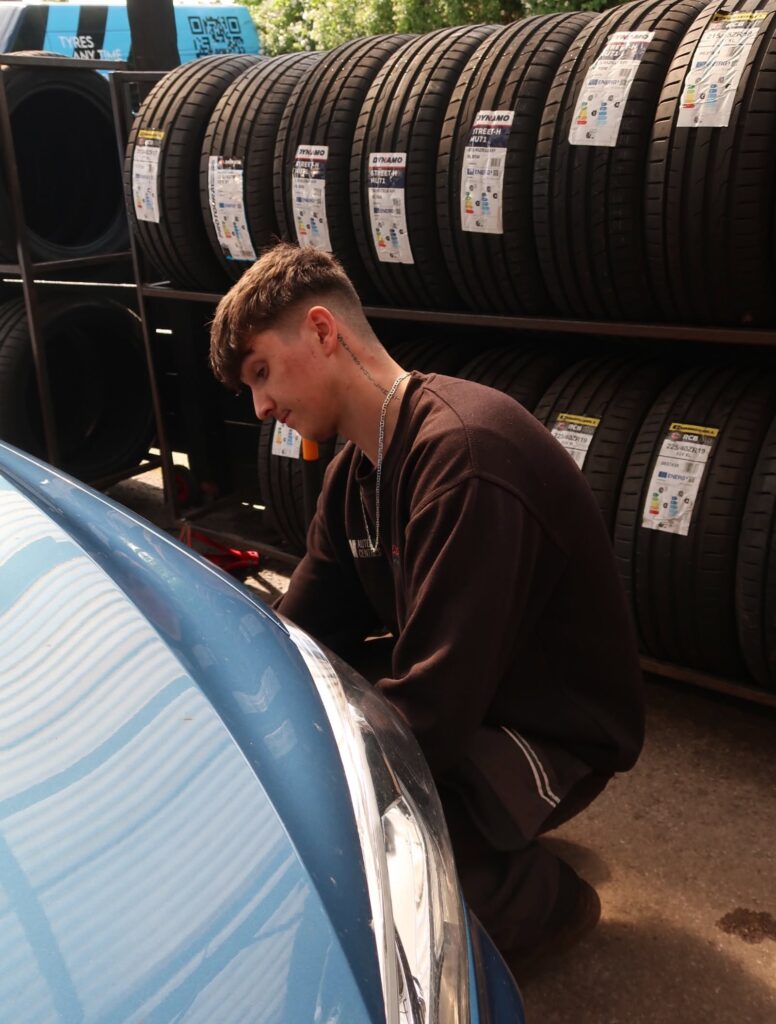
You can check your tyres yourself, but if you are unsure, you are always welcome to bring your car to DCM Autocentres and we will check them for you.
Our team can look at your tyre pressure, tread depth and overall condition, and we will let you know whether everything looks safe or if a tyre needs attention.
If there is a problem, we can advise whether it may be repairable or whether a replacement is needed.
Drivers can visit our Shaftesbury branch or our Blandford branch for friendly, straightforward tyre advice.
A simple check now can save trouble later
As summer turns into autumn, your car starts facing a different kind of road condition.
Cooler temperatures, heavier rain and wetter roads all put more demand on your tyres. Taking a few minutes to check them now can help avoid problems later and make sure your vehicle is ready for the change in weather.
Check your pressure, inspect your tread and look for signs of damage.
If you would rather have them checked by a professional, pop into DCM Autocentres or contact our team today. We will be happy to help.
Do you need help from our experts?
Give us a call today to get expert advice and support from our experienced team.
We are highly rated and reviewed


Honest company with the best management, very transparent about prices and their services are always outstanding. I am grateful to finally have a reliable mechanic that I can fully trust. Regardless of their busy schedule, the reception is always welcoming and helpful


Really recommend DCM in Shaftesbury


Richard
